Folio 160b
continued from fol. 160afoot in every land, except that Mecca and Medina…'“…(Mecca and Medina) I shall not enter,” he said. I asked, “Who is this?” They said, “This is the Dajjal, whose coming forth at the end of time the Messenger of God, peace be upon him, foretold.” The Messenger of God said to the Companions who had gathered: “By God, in whose hand of power my soul lies, this account is true and right.
One of the signs of the Hour is the coming forth of that Dajjal: when he has laid the world waste with tyranny and sin, my brother Jesus, the Spirit of God, will descend and destroy the Dajjal. His shrine and his grave shall be beside mine, and he shall be my companion,” he declared.
The Magnetic Mountain is a mountain on that island, and it draws iron to itself. Out of fear of the magnet they put no iron in the ships that sail that sea: whenever there is iron in a ship the magnet draws and holds it, and however strong the wind, the ship cannot be moved. Glory to Him who made beautiful everything He created!
That sea has animals of its own that are not found in other seas. The huge fish: in this sea there are great fish two hundred cubits long and more; when one strikes a ship with its tail, it smashes it to pieces. Sailors fear that fish greatly, and when they pass that place they beat drums and tambourines. And this is its picture.
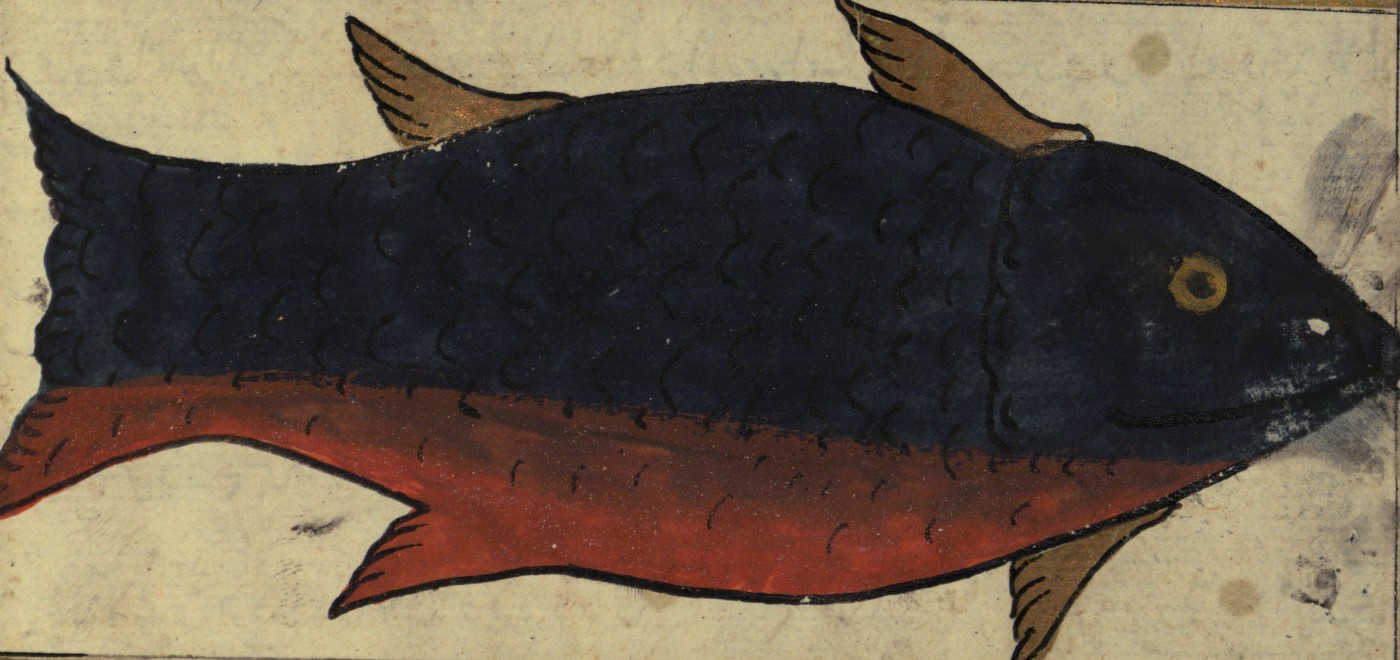
There is also a kind of fish which they catch and dry in the sun; it becomes softer than cotton. From it they weave the splendid garments that kings wear, and that cloth is called “fish cloth” (siyâb-ı semeke). It is held in great value and honour by the kings of China.
Resolved or approved · 6
- resolvedline 1
وآخلother readings:داخلÇÖZÜLDÜ: İlk harf kuyruğu aşağı inen bir و gibi yazılmış, elif üstünde medde benzeri bir çizgi var; kelime dâhil (داخل) okundu. 160a'nın son satırı 'جمیع ولایته وضع قدم ایدرم الا مکه و مدینهیه' ile bitiyor: 'Mekke ve Medine'ye girmem' — Temîm ed-Dârî hadisindeki Deccal'in sözü. Diplomatik metinde yazıldığı gibi bırakıldı. - resolvedline 4
دوح اللهother readings:روح اللهÇÖZÜLDÜ: Bu elin ر'yı د gibi yazma alışkanlığı; 'Îsâ Rûhu'llâh' kalıbı. Aynı şekilde L5 'دوضه' = روضه (ravza). - resolvedline 6
اولسه کرك دیو بیودیother readings:اولسه کرکدر و بیودی,بیوردیÇÖZÜLDÜ: 'کرك' sonrasındaki küme دیو (د, alttan noktalı ی dişi, و) olarak bölündü; 'olsa gerek diyü buyurdı' Hz. Peygamber'in sözünü kapatan kalıp. بیودی'de ر görünmüyor (ya düşmüş ya د ile kaynaşmış); buyurdı okundu. Anlam her iki bölmede de aynı. - resolvedline 9
تحریكother readings:بحریكÇÖZÜLDÜ: İlk dişin noktası net değil (altta tek nokta gibi görünüyor); 'ne kadar şiddetli yel olsa tahrîki mümkin olmaz' bağlamı tahrîk'i gerektiriyor. - resolvedline 14
بنبهدنother readings:پنبهدنÇÖZÜLDÜ: İlk dişte nokta sayısı seçilemiyor; penbe (pamuk) olarak okundu: 'pamuktan latîf olur', ardından kumaş dokuma bağlamı. - resolvedline 16
وقعother readings:وقعتÇÖZÜLDÜ: vak' (itibar, değer) — 'vak' u şeref' kalıbı. Harfler net.