Folio 166b
It is also related: "At the Meeting of the Two Seas I saw a fish like a mountain. It gave a cry, and we very nearly perished. The sea split in two and heaved, and waves rose up." They said there is a fish even bigger than this one; when men came to the Meeting of the Two Seas meaning to catch it, the sea could not hold it, and one night it fled and escaped. And the fish of Moses and Joshua, peace be upon them, also came back to life and went into that sea.*1*2
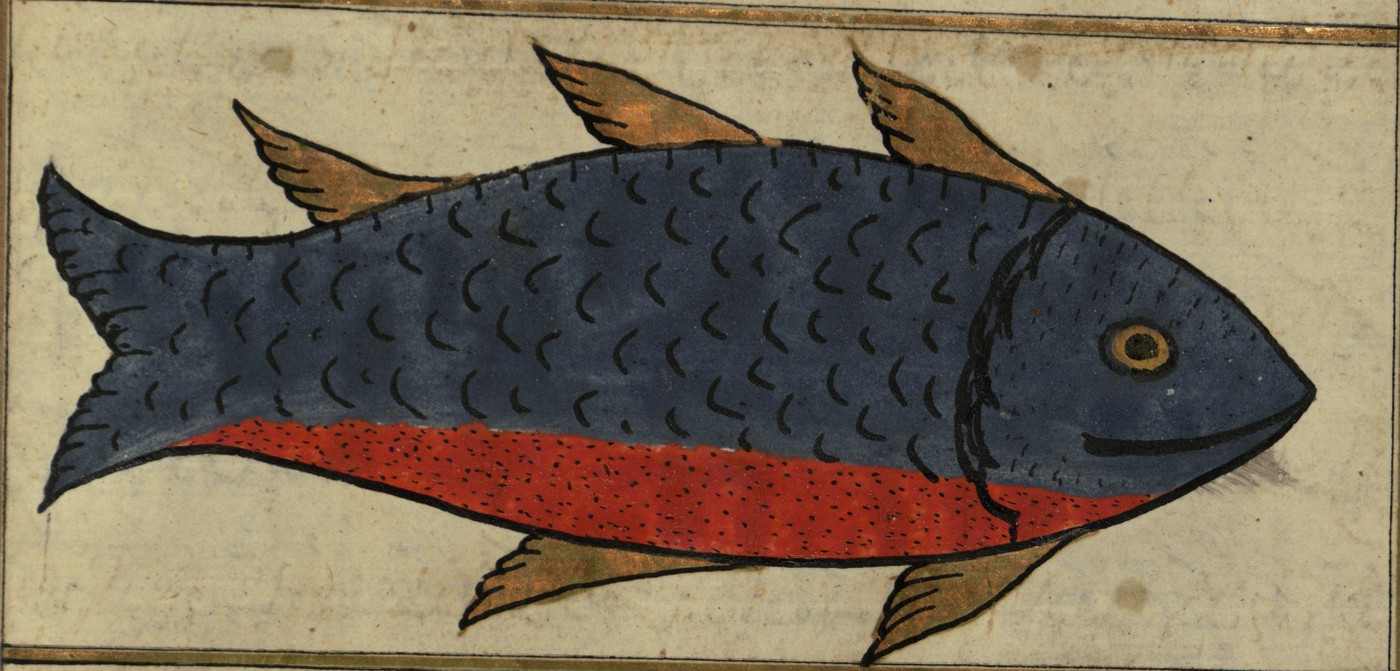
The origin of it is this. Moses, peace be upon him, was the most learned and the most excellent of the creatures of his age. God Most High had made known to him the true nature of things, and there was no scholar above him. He was versed in wondrous crafts and in every state of things; he even knew the science of alchemy. Korah had been a poor man, and when Moses, peace be upon him, out of pity taught him a scrap of alchemy, he came into perfect wealth. One day Moses said: "O Lord, is there any servant of Yours more learned than I?" God Most High said: "O Moses, I have a servant at the Meeting of the Two Seas; he is more learned than you." Moses said: "O Lord, make that servant known to me." God Most High said: "Go to the Meeting of the Two Seas and you will meet him." He said: "O Lord, who will guide me?" He said: "The provisions you carry will show you the way." So Moses, peace be upon him, took Joshua with him; they put a roasted fish in a basket and set out. When they reached the Meeting of the Two Seas, Moses said, "Let me rest a while," and lay down on a rock. Joshua was looking out at the sea…
continues on fol. 167a…was strolling and taking in the sights. Suddenly the…* Needs human approval · 2
- *1line 1
کوددمother readings:کوددیYazılan açıkça کوددم (gördüm, birinci tekil); ama ravi adlandırılmamış ('rivâyet ider ki', öznesiz) ve L2'de 'olayuz' (birinci çoğul) geliyor. Metin olduğu gibi birinci şahıs çevrildi; ravinin kim olduğu (Kazvînî'nin kaynağı?) ya da yazım kayması olup olmadığı 165b/166a bağlamıyla bir insan tarafından karara bağlanmalı. - *2line 4
کلدکده ددیایه صغمازکهCümlenin öznesi belirsiz: Mecmaü'l-bahreyn'e gelen avcılar mı, balık mı? 'denize sığmaz' balığı anlatıyor. Çeviri 'gelindiğinde' diye öznesiz verildi; bir insan bakmalı.
Resolved or approved · 10
- resolvedline 1
ایددکهother readings:ایدرکهÇÖZÜLDÜ: Bu elin ر=د alışkanlığı; 'ider ki' (rivâyet ider ki). - resolvedline 1
وینهother readings:Vaynah,VīnahÇÖZÜLDÜ: Kırmızı وینه bu bölümde 've yine' okunur; Walters başlığındaki 'Vaynah (Vīnah?) seas' bu kelimenin yer adı sanılmasından. Metinde 'Vaynah denizi' yok. - resolvedline 3
بیوكother readings:سوكÇÖZÜLDÜ: بوندن'den sonra noktalı ب ve dişler, ardından وك; 'bundan soñ' da okunabilir, ama 'dahi' ile 'bundan büyük dahi balık' (bundan da büyük bir balık) ve devamındaki 'denize sığmaz' bağlamı büyük'ü destekliyor. - resolvedline 4
بری کجهother readings:بر کیجهÇÖZÜLDÜ: بری'nin ی'si کجه'ye ait; 'bir gice' (bir gece). - resolvedline 4
فرآد ایدبother readings:فرار ایدوبÇÖZÜLDÜ: ر=د; 'firâr idüp' (kaçıp). خلاص'ın ص'si satır üstüne sonradan eklenmiş (müstensih düzeltmesi), ar'da yerine konuldu. - resolvedline 5
صودتهother readings:صورته,صورتیÇÖZÜLDÜ: L4 sonunda sol kenarda, kırmızı; üstte دُته, altta صو. ر=د ile 'sûreti' (onun resmi): hemen altındaki minyatüre işaret eden etiket. Ayrı satır (caption) olarak kaydedildi. - resolvedline 8
بلدوبother readings:بلدوروبÇÖZÜLDÜ: و ile ب arasında fazladan küçük bir kanca var (ر?); 'kendüye bildürüp' (ona bildirip) bağlama oturuyor. - resolvedline 15
سنبیلهother readings:زنبیلهÇÖZÜLDÜ: ز yerine noktasız/س ile yazılmış; 'zenbîle' (zembile, sepete). Kur'an kıssasındaki azık balığı (Kehf 18:61-63). - resolvedline 17
دیوبother readings:حیوبÇÖZÜLDÜ: İlk harf ح başı gibi görünüyor ama alttaki nokta ی'nin; 'istirâhat ideyim diyüp' (dinleneyim deyip). - resolvedline 17
ایددیother readings:ایتدیÇÖZÜLDÜ: ت noktası yok, iki د ve ی var: 'iderdi' (ر=د); catchword 'seyr ü temâşâ' ile 'nazar iderdi ve deryâyı seyr ü temâşâ [iderdi]'.